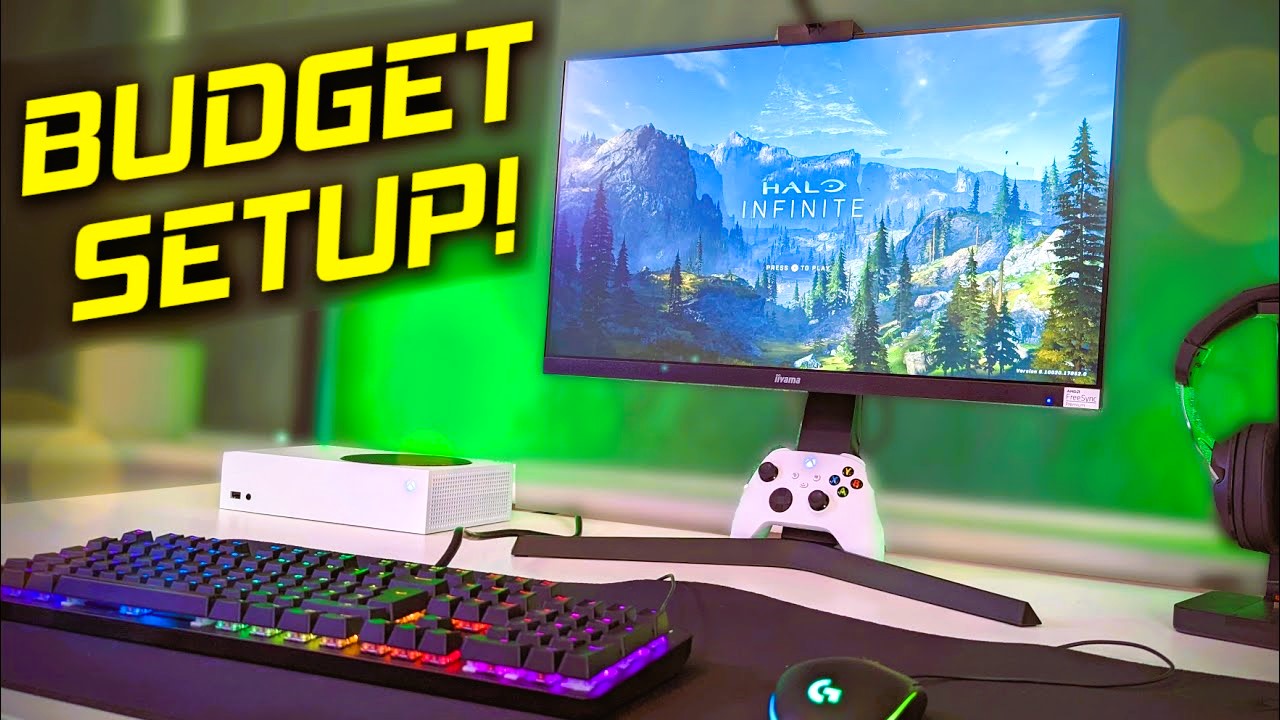

Cross-platform play, also known as crossplay, has rapidly evolved into one of the most sought-after features in modern gaming. The ability to connect players across different platforms—whether they’re on PC, PlayStation, Xbox, Switch, or mobile—has transformed how games are played, communities are built, and the industry is shaped. This innovation has brought gamers closer than ever, breaking barriers that once divided them.
Breaking Down the Walls
In the past, gaming ecosystems were isolated. Players using different consoles or systems were locked into their respective “islands,” unable to interact with others who had chosen a different platform. For instance, a PC gamer couldn’t play with someone on PlayStation, no matter how much they wanted to.
The advent of cross-platform play has dismantled these walls, allowing gamers to connect regardless of their hardware. Popular titles like Fortnite, Minecraft, and Call of Duty: Warzone have embraced crossplay, making it possible for players across various platforms to team up—or face off—in the same matches.
Enhanced Social Connectivity
One of the most significant benefits of cross-platform play is the way it enhances social connectivity. Gaming is inherently social, and being unable to play with friends due to platform restrictions was a frustrating limitation for years. Crossplay eliminates this issue, enabling players to connect with their friends, family, and global communities without boundaries.
For example, in Rocket League, crossplay has allowed friends to form teams regardless of whether they’re using a PC or a console, fostering stronger relationships and making gaming more inclusive.
Larger Player Bases
Cross-platform play significantly boosts the player base of multiplayer games. By combining players from different platforms into a shared pool, developers can ensure shorter matchmaking times, more balanced matches, and a richer competitive environment.
Take Apex Legends, for instance. The introduction of crossplay expanded the matchmaking pool and helped retain players who might have otherwise abandoned the game due to long wait times or limited opponents. A larger, unified player base creates a more vibrant and sustainable gaming experience for everyone.
A Competitive Edge for Developers
For game developers, cross-platform play is not just a feature—it’s a competitive advantage. Titles that support crossplay tend to attract larger audiences, generating higher revenues and extending the game’s lifespan. Gamers are increasingly demanding this functionality, and developers who deliver are often rewarded with loyalty and positive reception.
Epic Games’ Fortnite serves as a prime example. Its seamless crossplay implementation played a significant role in the game’s massive success, proving that inclusivity and accessibility can drive engagement and profit.
Challenges of Cross-Platform Play

While crossplay has numerous advantages, it also comes with challenges. One concern is balancing gameplay across platforms. For example, PC players using a mouse and keyboard may have an advantage over console players using a controller. Developers address this by implementing features like input-based matchmaking, ensuring fair competition. Did you like the article? Read also about The Rise of Mobile Gaming.
Another challenge lies in technical hurdles and agreements between platform holders. Sony, Microsoft, and Nintendo historically resisted crossplay due to competition, but recent years have seen a shift in attitudes, making cross-platform gaming more common.
The Role of Cross-Progression
Closely tied to crossplay is cross-progression—the ability for players to carry their progress, purchases, and stats across platforms. This feature ensures that gamers can seamlessly switch between devices without losing their hard-earned achievements or in-game assets. Titles like Genshin Impact and Destiny 2 have implemented cross-progression alongside crossplay, offering players unparalleled flexibility.
The Future of Cross-Platform Gaming
The success of cross-platform play has set a new standard in the industry. As technology continues to evolve, we can expect more developers to adopt crossplay as a default feature rather than a luxury. Emerging technologies like cloud gaming will likely further blur the lines between platforms, making the idea of exclusive ecosystems a thing of the past.
Moreover, crossplay encourages inclusivity and diversity in gaming communities. Players from different backgrounds, devices, and locations can come together, fostering a sense of unity that reflects the global nature of modern gaming.
Cross-platform play is more than just a convenience—it’s a revolutionary step forward for the gaming industry. By breaking down barriers, enhancing social connections, and creating larger, more inclusive communities, crossplay has changed how we experience games.
As the demand for cross-platform play grows, its importance will only increase, pushing developers to innovate further. The future of gaming is interconnected, and crossplay is the bridge that unites us all.
To learn more about cross-platform gaming and its impact, visit IGN’s Crossplay Guide.