
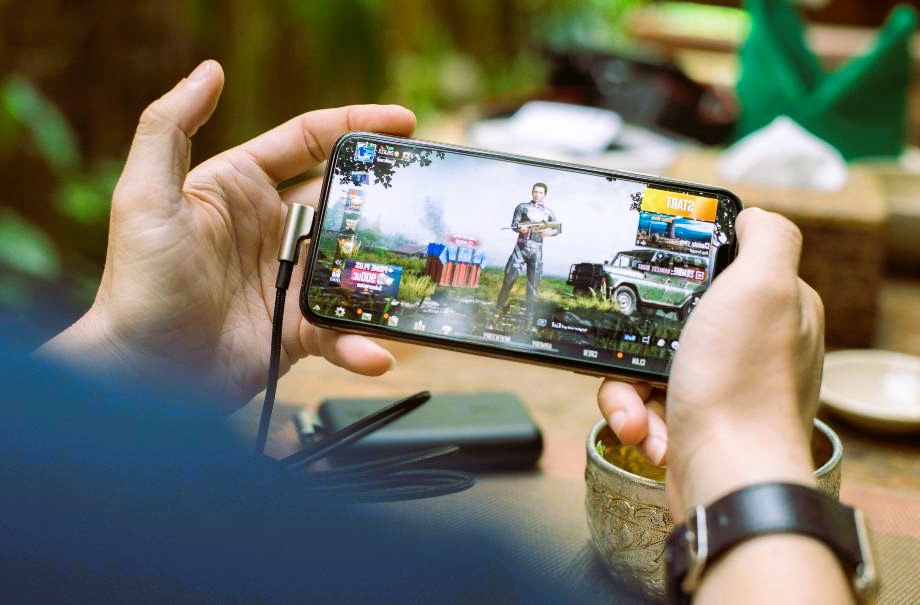
Mobile gaming has taken the world by storm, revolutionizing the gaming industry and becoming one of its most profitable segments. With billions of smartphones in use globally, gaming on mobile devices has grown exponentially, transforming not only how games are played but also how they are developed and marketed. This shift is redefining the entertainment landscape, bridging the gap between casual and hardcore gamers, and making gaming more accessible than ever before.
The Evolution of Mobile Gaming
Mobile gaming traces its roots back to the early 2000s with the introduction of simple games like Snake on Nokia phones. While these games were basic, they set the stage for a mobile gaming revolution. With the launch of smartphones, particularly the iPhone in 2007 and the subsequent rise of Android devices, mobile gaming experienced an unprecedented boom.
Modern smartphones come equipped with powerful processors, high-resolution displays, and advanced sensors, making them capable of running graphically demanding games. Titles like PUBG Mobile, Call of Duty: Mobile, and Genshin Impact demonstrate how mobile platforms now rival consoles and PCs in terms of performance and gameplay quality.
Accessibility and Inclusivity
One of the primary reasons for the rise of mobile gaming is its accessibility. Smartphones are ubiquitous, and their widespread availability makes gaming more inclusive. Unlike consoles or PCs, which require significant financial investment, mobile devices are more affordable and already integrated into everyday life.
This accessibility has opened the door for a broader audience, including people who may not identify as traditional gamers. Casual games like Candy Crush Saga and Among Us have captured the attention of diverse demographics, proving that gaming is for everyone, regardless of age, gender, or geographic location.
A Booming Market
Mobile gaming has become the most lucrative segment of the gaming industry. According to a report by Statista, mobile games accounted for more than 50% of global gaming revenue in 2023, surpassing both console and PC gaming. The success of free-to-play titles with in-app purchases has played a significant role in this growth. To help you maintain healthy gaming habits, read our tips on preventing burnout.
Games like Clash Royale and Pokémon GO have capitalized on this model, offering free access while generating substantial revenue through microtransactions. The ability to monetize games without charging upfront has made mobile gaming highly attractive to developers and publishers.
Innovations in Gameplay
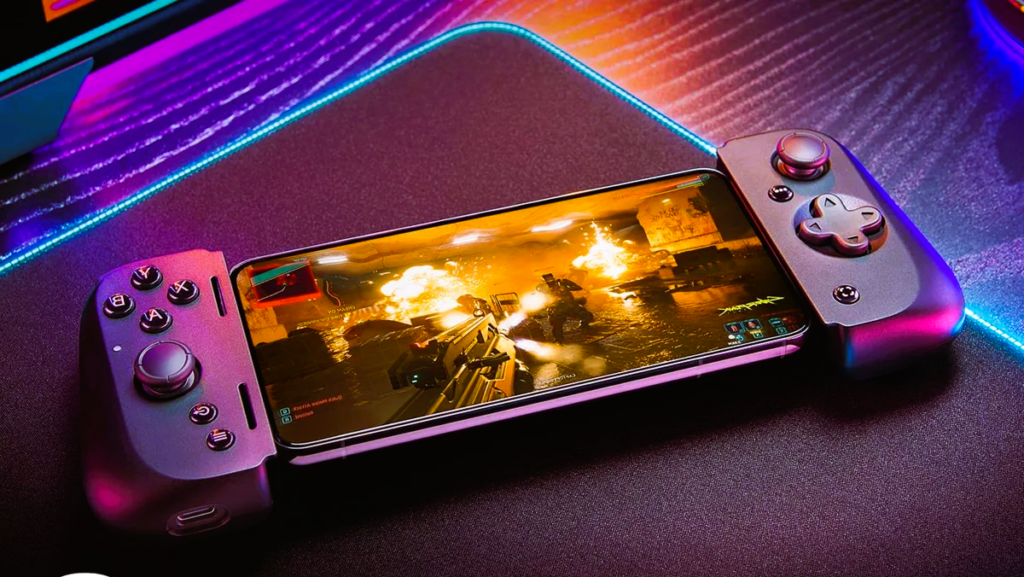
The rise of mobile gaming has also driven innovation in gameplay and design. Features like touchscreen controls, gyroscopic sensors, and augmented reality (AR) have introduced new ways to interact with games. Titles like Pokémon GO and Harry Potter: Wizards Unite use AR to blend the real world with virtual experiences, offering players unique and engaging gameplay.
Cloud gaming is another technological advancement poised to shape the future of mobile gaming. Services like NVIDIA GeForce Now and Xbox Cloud Gaming allow players to stream high-quality games directly to their smartphones, eliminating the need for powerful hardware. This technology enables mobile devices to run graphically intensive games that were previously exclusive to consoles or PCs.
Social Connectivity and Competitive Gaming
Mobile gaming has also embraced social and competitive elements, turning games into platforms for interaction and collaboration. Multiplayer games like Mobile Legends: Bang Bang and Free Fire bring players together in real time, fostering social connections and creating vibrant communities.
Moreover, mobile esports is on the rise. Tournaments for games like PUBG Mobile and Clash of Clans attract millions of viewers and offer substantial prize pools, proving that competitive gaming is no longer limited to traditional platforms.
Challenges Facing Mobile Gaming
Despite its success, mobile gaming faces several challenges. The prevalence of in-app purchases and microtransactions has sparked debates about ethics and fair play, especially in games targeting younger audiences. Balancing monetization with player satisfaction remains a delicate task for developers.
Additionally, the sheer volume of games available on app stores makes it difficult for smaller titles to stand out. Developers must invest heavily in marketing and user acquisition to compete in a crowded market.
The Future of Mobile Gaming
The future of mobile gaming looks bright, with continued advancements in hardware, connectivity, and game design. The rollout of 5G networks will further enhance mobile gaming experiences by reducing latency and enabling faster downloads. Developers are also exploring the potential of virtual reality (VR) on mobile platforms, which could open up entirely new possibilities for immersive gaming.
As smartphones become even more powerful, the line between mobile and traditional gaming platforms will continue to blur. Games that were once exclusive to consoles or PCs are now being ported to mobile, ensuring that players can enjoy their favorite titles anytime, anywhere.
Mobile gaming is more than just a trend—it’s a cultural phenomenon reshaping the gaming industry. By making gaming accessible to billions of people worldwide, smartphones have democratized entertainment and fostered innovation. From casual puzzles to competitive multiplayer titles, mobile gaming offers something for everyone, proving that the future of gaming lies in the palm of our hands.
To learn more about mobile gaming’s impact on the industry, visit the Wikipedia page on mobile games.